
3mm clear glass price
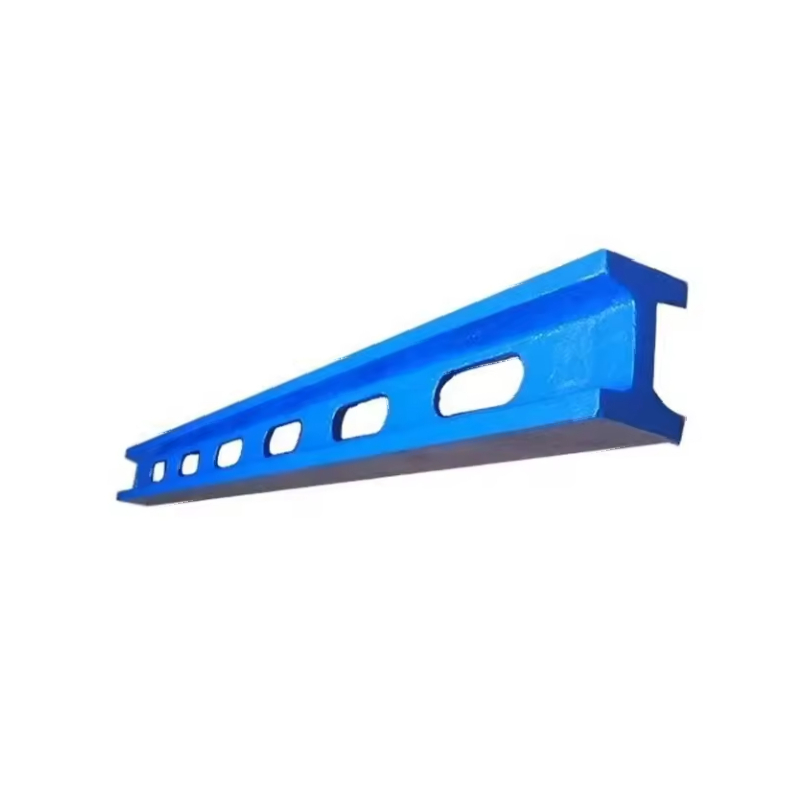
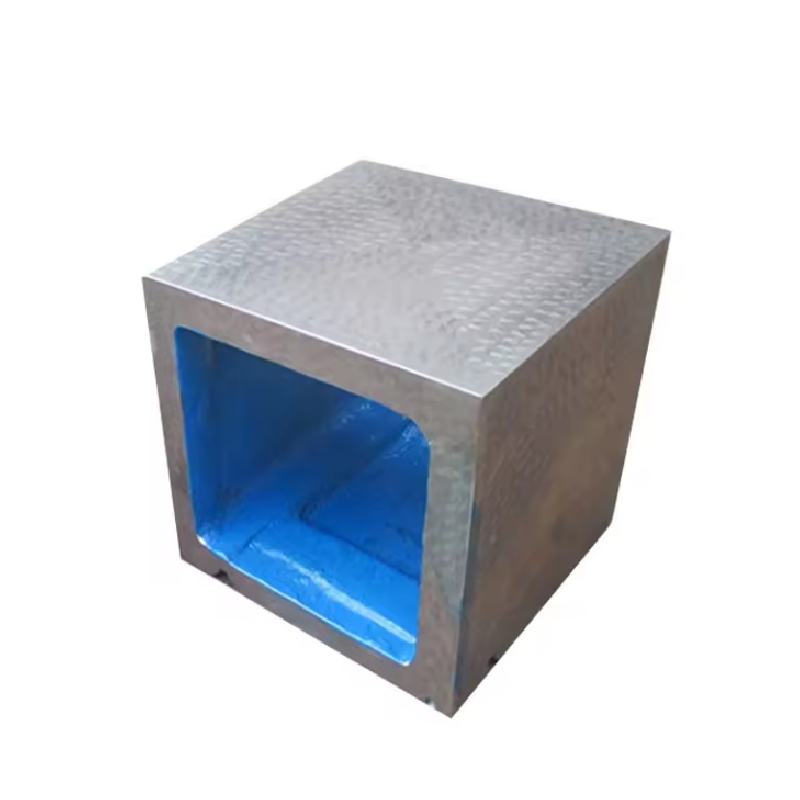
Heavy Duty Fabrication Tables Essential Tools for Precision and Durability In the realm of industrial manufacturing and construction, heavy-duty fabrication tables have emerged as indispensable tools for ensuring precision and efficiency. These robust surfaces are designed to withstand the rigorous demands of various applications, making them crucial in workshops, factories, and on construction sites. With the ability to support significant weights and endure harsh conditions, heavy-duty fabrication tables facilitate a wide range of tasks, from welding and assembly to machining and inspection. Heavy Duty Fabrication Tables Essential Tools for Precision and Durability In addition to their strength, heavy-duty fabrication tables are designed with versatility in mind. Many models come equipped with integrated clamping systems, work holding jigs, and grid patterns, enabling workers to secure their materials efficiently. This enhanced adaptability not only streamlines workflows but also reduces the time spent on setup, leading to increased productivity. The ability to customize the table with various accessories further amplifies its utility, making it an essential component for diverse projects in metalworking, woodworking, and other crafts. heavy duty fabrication table Moreover, heavy-duty fabrication tables promote safety in the workplace. Their solid construction minimizes the risk of accidents caused by unstable work surfaces. By providing a stable platform for cutting, welding, or assembling, these tables help prevent injuries related to slips or collapses. Furthermore, many tables are designed with features that protect both the user and the material, such as rounded edges and non-slip surfaces. Finally, investing in a quality heavy-duty fabrication table can yield long-term cost savings. Their durability means they can withstand wear and tear over time, reducing the need for frequent replacements. Additionally, the increased efficiency and precision they provide can lead to higher-quality products and reduced waste, contributing to better profit margins for businesses. In conclusion, heavy-duty fabrication tables are vital assets in various industrial environments. Their strength, versatility, and safety features make them essential for ensuring precise work and improving productivity. As industries continue to evolve, the demand for reliable and efficient fabrication tables will only increase, underscoring their importance in modern manufacturing and construction practices.
about
3mm clear glass price
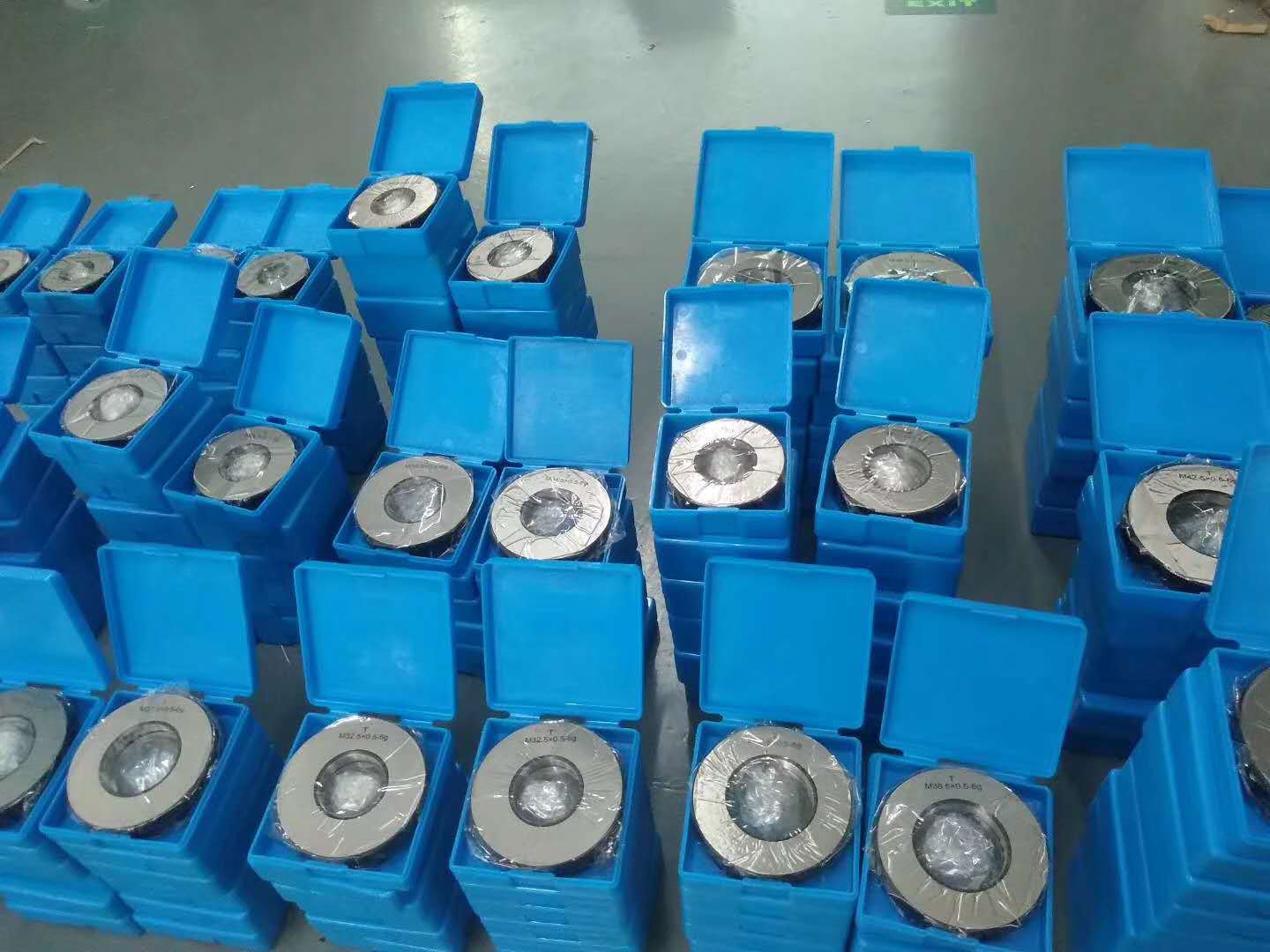
Understanding Plug Gauges and Ring Gauges Definition, Usage, and Importance In the realm of manufacturing and engineering, precision is paramount. The ability to produce components that meet exact specifications is essential for the functionality and durability of machines and structures. In this context, tooling and measuring instruments play a vital role, and among these, plug gauges and ring gauges are critical tools for quality assurance. What are Plug Gauges? Plug gauges, often referred to as go/no-go gauges, are used to measure the internal diameters of holes, ensuring that they meet specified tolerances. These gauges come in sets, typically including a go gauge and a no-go gauge. The go gauge is designed to fit into the hole if it meets the minimum size requirement, while the no-go gauge should not pass into the hole if it exceeds the maximum allowable size. For example, if a hole is intended to be 10mm in diameter, a 10mm go plug gauge would fit perfectly. Conversely, a 10.1mm no-go plug gauge would not fit, indicating that the hole is too large. This simple yet effective mechanism allows manufacturers to quickly assess whether their products fall within specified tolerances, thus ensuring quality control throughout the production process. What are Ring Gauges? Ring gauges serve a similar purpose but are applied to external features, particularly the external diameters of shafts and similar components. Like plug gauges, ring gauges also come in go and no-go configurations. The go ring gauge must slide over the diameter of the shaft with ease, confirming it meets the minimum size requirement, while the no-go gauge must not fit, signaling an oversized component. An example would be a shaft meant to have a diameter of 20mm. The 20mm go ring gauge should fit snugly, while a 20.1mm no-go ring gauge would fail to pass, indicating that the shaft is out of specification. This dual-format capability of ring gauges facilitates thorough quality checks for precision mechanical components. Importance of Plug and Ring Gauges The importance of plug and ring gauges cannot be overstated in the manufacturing landscape. Their role in ensuring dimensional accuracy is crucial for various reasons 1. Quality Assurance Gauges help manufacturers maintain high standards of precision. This is vital for industries where tolerance levels are critical, such as aerospace, automotive, and medical devices. plug gauge and ring gauge 2. Cost Efficiency Ensuring components are produced within tolerance reduces waste and rework, leading to significant cost savings. Using gauges effectively minimizes the risk of defective parts entering the supply chain. 3. Interchangeability Standardized components are essential for assembly lines where parts must fit together seamlessly. Plug and ring gauges help ensure that parts made by different manufacturers can be interchanged without issues. 4. Compliance and Certification Many industries are subject to regulatory standards that dictate acceptable tolerances for components. Plug and ring gauges help manufacturers demonstrate compliance with these standards, easing the process of certification. Best Practices for Using Plug and Ring Gauges To maximize the effectiveness of plug and ring gauges, manufacturers should adhere to certain best practices - Calibration Regular calibration of gauges ensures their accuracy and reliability. Factors such as wear and environmental changes can affect measurements over time. - Proper Handling Gauges should be handled with care. Avoid dropping or exposing them to harsh environments that could compromise their integrity. - Periodic Inspection Consistent inspection of gauging tools can prevent the use of worn or damaged gauges, thereby maintaining the quality of the products being manufactured. - Training Ensuring that personnel are trained in the proper use of gauges is crucial for effective quality control processes. Conclusion In summary, plug gauges and ring gauges are indispensable tools in the manufacturing sector, helping to ensure that components meet stringent dimensional standards. Their role in quality assurance, cost efficiency, and compatibility across components is crucial in today's precision-driven industries. By adhering to best practices in their use and maintenance, manufacturers can guarantee the accuracy and reliability of their products, thereby upholding their commitment to quality and customer satisfaction.
-

High quality industrial productsagement

High quality industrial products
View Details -

Meet the diverse needs of customers

Meet the diverse needs of customers
View Details -

Strict quality control

Strict quality control
View Details -

Top raw materials

Top raw materials
View Details -

Trusted supplier

Trusted supplier
View Details
Our application


news and information
waterleidingklep
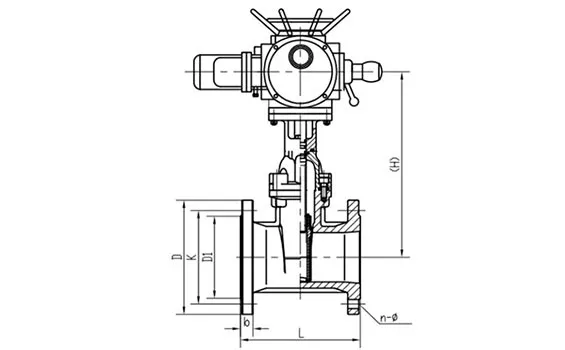
Waterlijnklep Een Cruciaal Element voor Efficiënt Beheer van Waterlopen Een waterlijnklep, of waterl
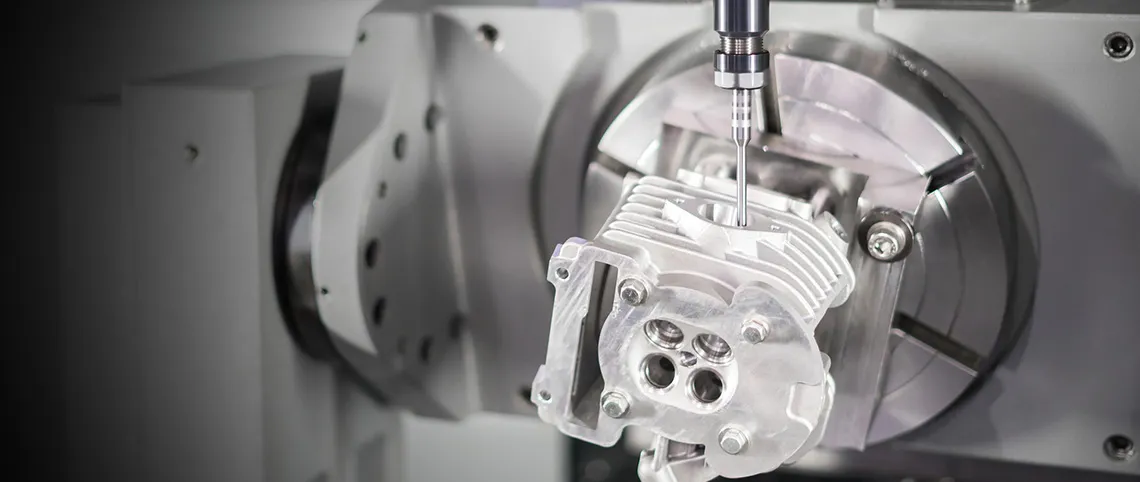
Welding Table Manufacturing Solutions from China for Reliable Performance and Quality
Welding Tables in China A Comprehensive Overview Welding tables are essential tools in the fabricati
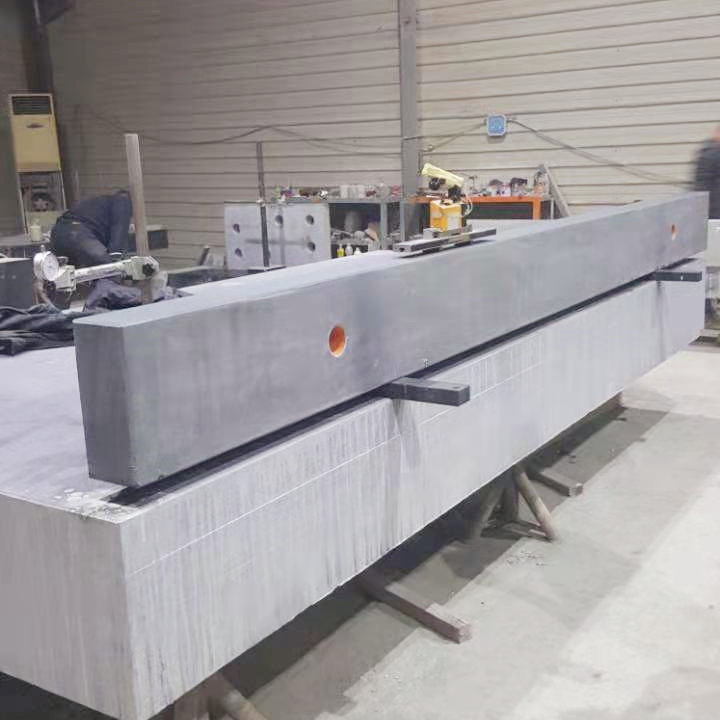
welding table workbench
The Essential Guide to Welding Tables and Workbenches Welding tables and workbenches are vital tools
 English